GeForce RTX 5090
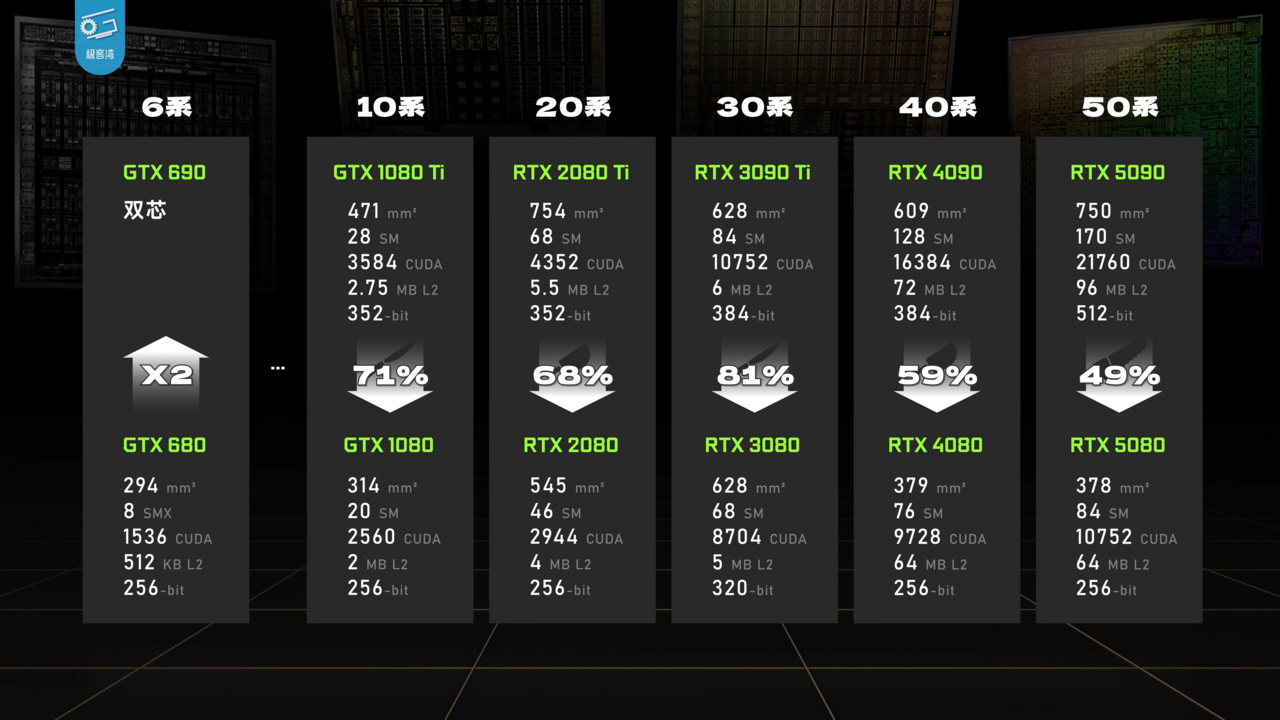
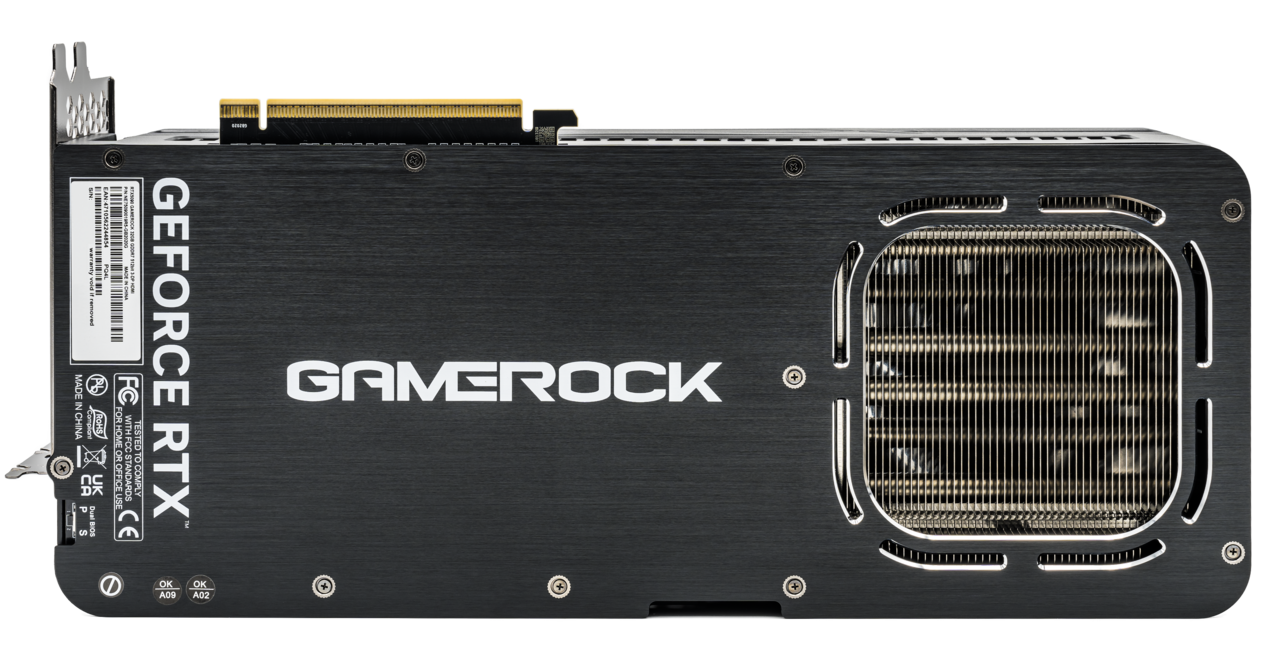
The single biggest jump in consumer VRAM in five years. 32 GB of GDDR7 at 1,792 GB/s puts a full 30B model in fp8, or a quantized 70B with context to spare, on one card. This is the GPU we benchmark everything else against.
Hand-curated AI-relevant consumer hardware. Laptops capable of running local language models, discrete GPUs for self-built rigs, AR glasses with AI overlays, robotics, edge accelerators, and the occasional experimental device worth knowing about.

The single biggest jump in consumer VRAM in five years. 32 GB of GDDR7 at 1,792 GB/s puts a full 30B model in fp8, or a quantized 70B with context to spare, on one card. This is the GPU we benchmark everything else against.
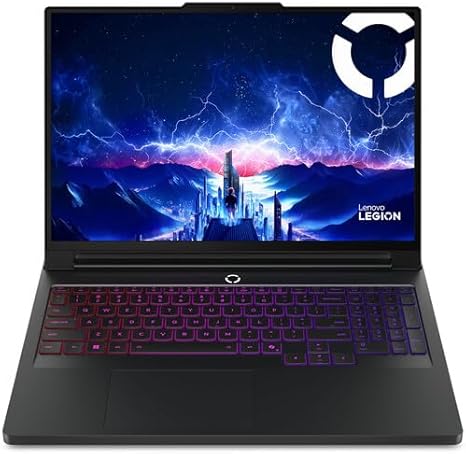
A 24GB VRAM RTX 5090 laptop that runs 30B parameter models locally in 4-bit without choking, and trains LoRA adapters on consumer datasets overnight.

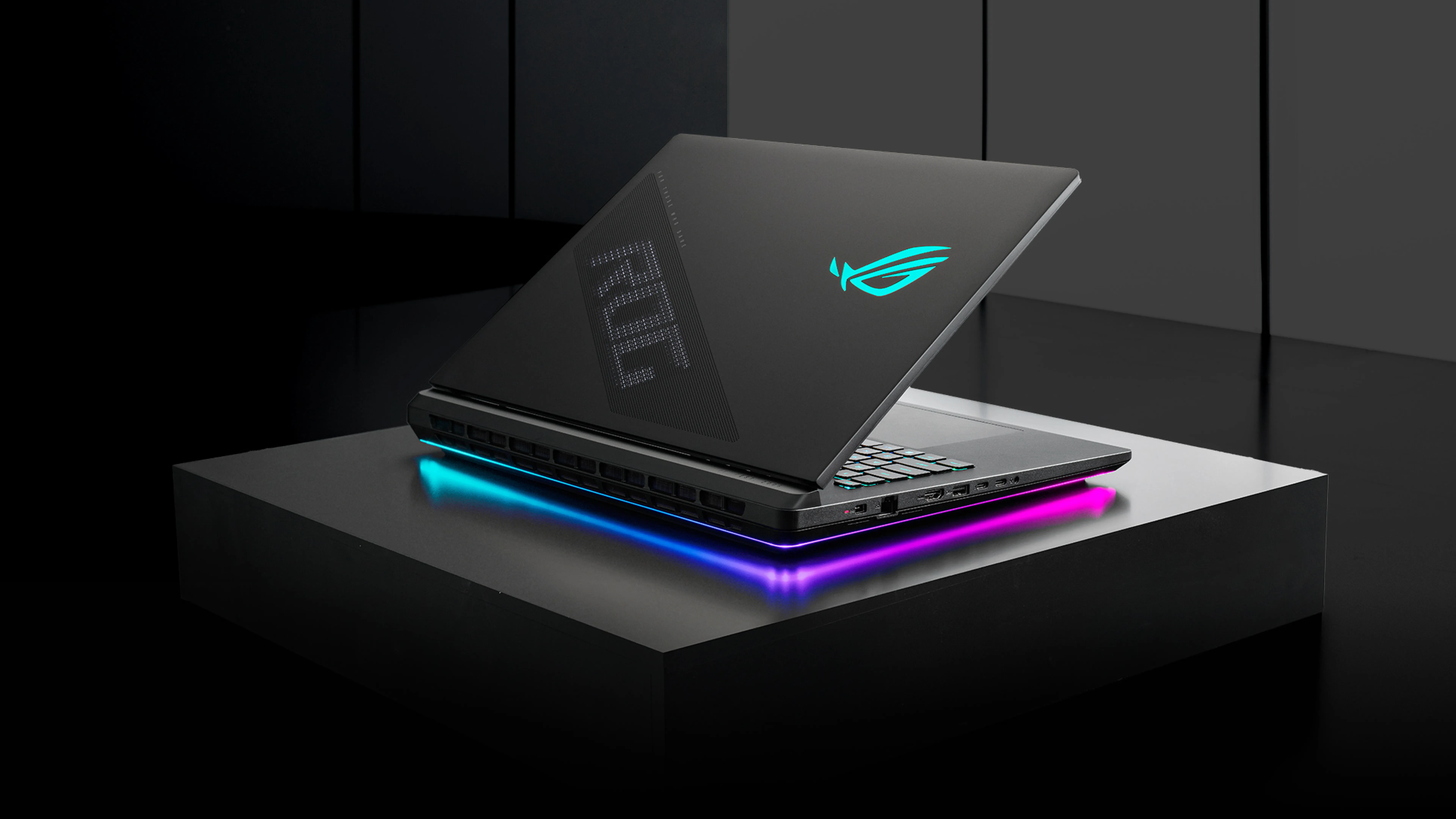
An 18-inch mobile workstation with a 24GB RTX 5090 and up to 128GB of DDR5, which means you can hold a full 70B model in system RAM and stream layers to the GPU for hybrid inference.
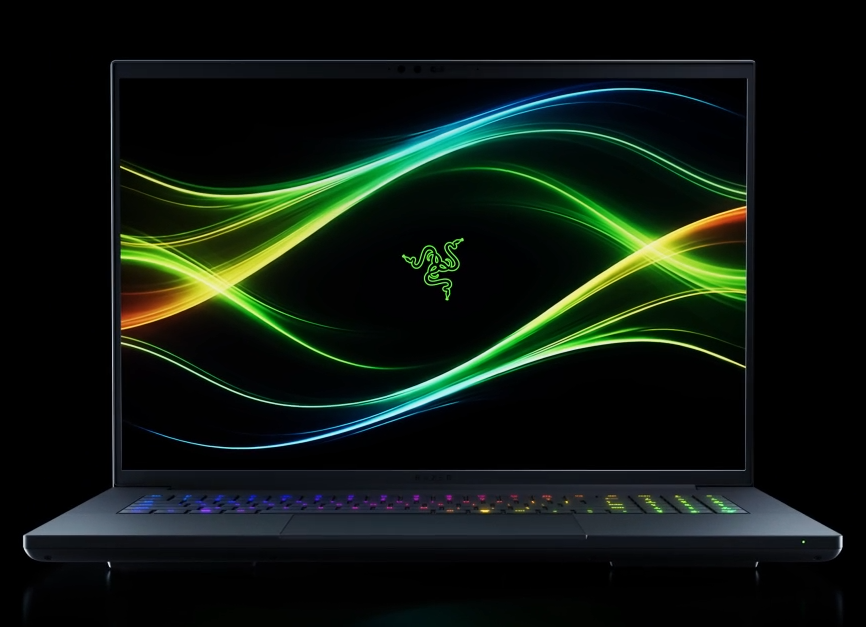
Razer's flagship configures up to 128GB DDR5 alongside the 24GB RTX 5090, putting it in the same hybrid-inference tier as the SCAR 18 but in a sleeker CNC aluminum chassis.

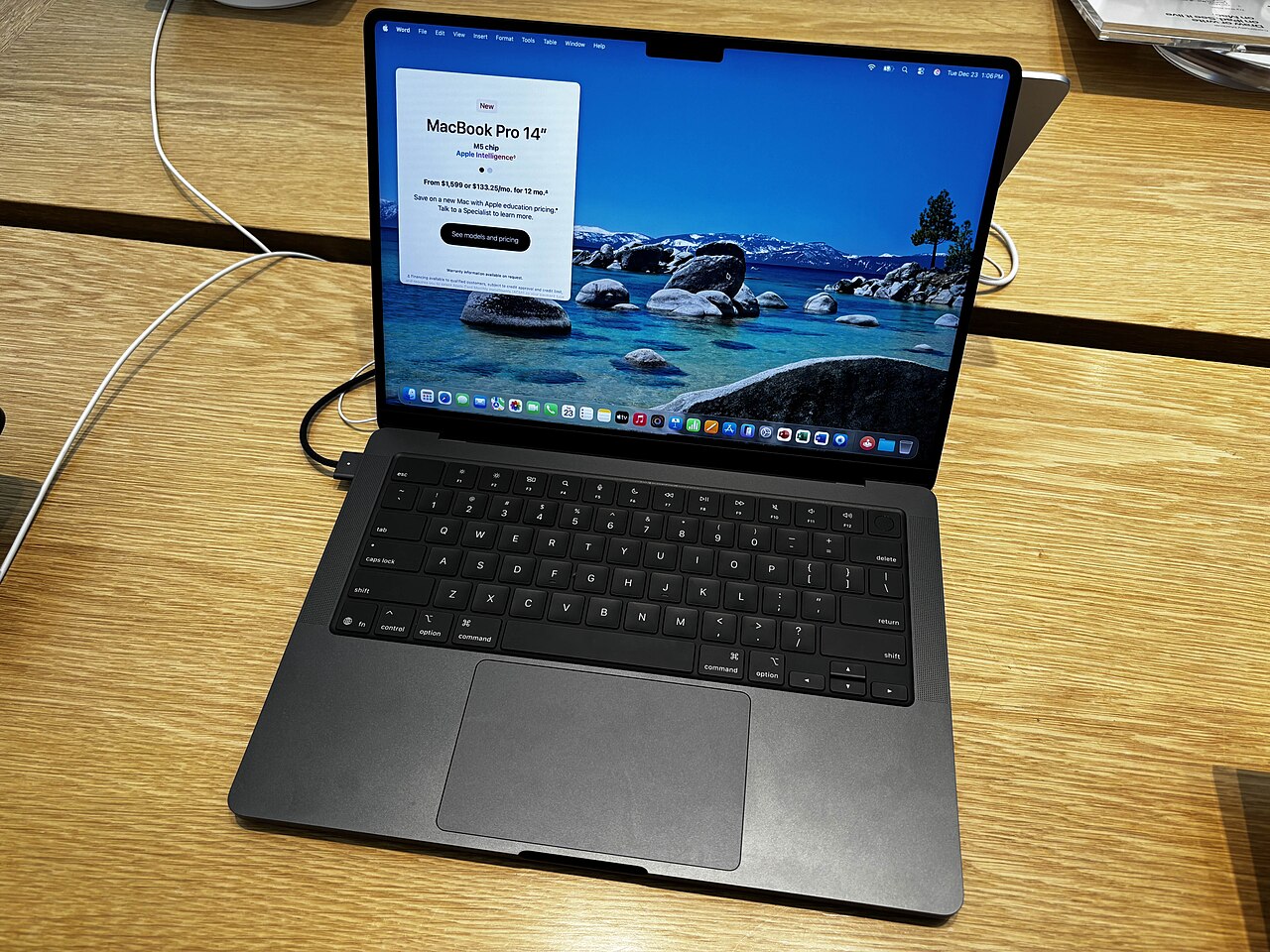
Up to 128GB of unified memory at 614 GB/s makes the M5 Max the most capable consumer laptop for fitting larger LLMs entirely in memory, and the silent thermals run for hours on battery.

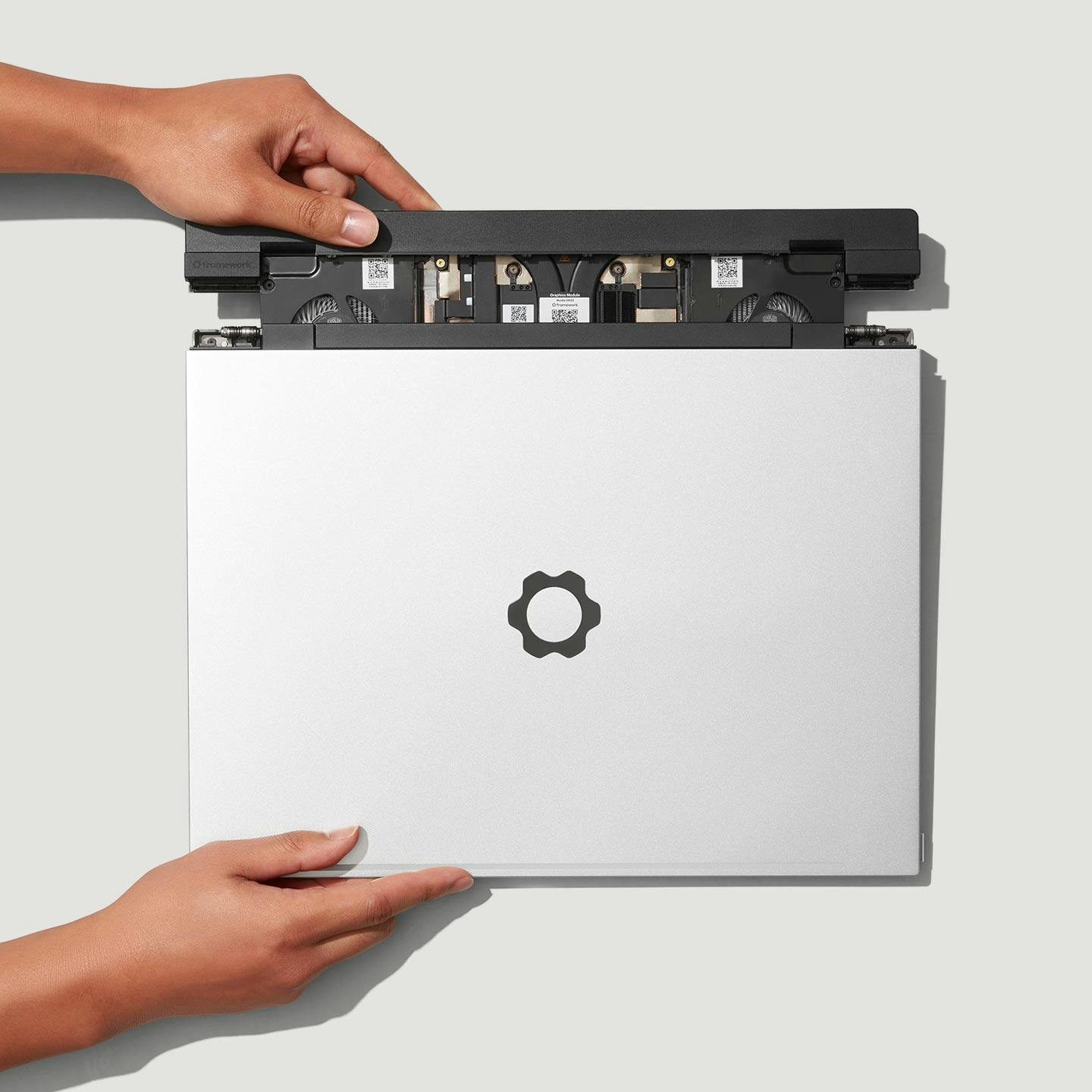
The only modular laptop where the GPU is a user-swappable cartridge, so when the RTX 6070 module ships you upgrade the laptop, not replace it.

32GB of GDDR7 at 1,792 GB/s makes the 5090 the highest VRAM consumer GPU shipping, fitting a full 30B model in fp8 or a quantized 70B with room for context.

16GB of GDDR7 at 960 GB/s puts the 5080 right at the 13B-fp16 and 30B-4bit sweet spot for builders who want CUDA without the 5090 tax.

48GB of ECC GDDR6 in a 300W blower card is the right answer for builders who need a quiet workstation that can hold a 70B 4-bit model entirely on one GPU.

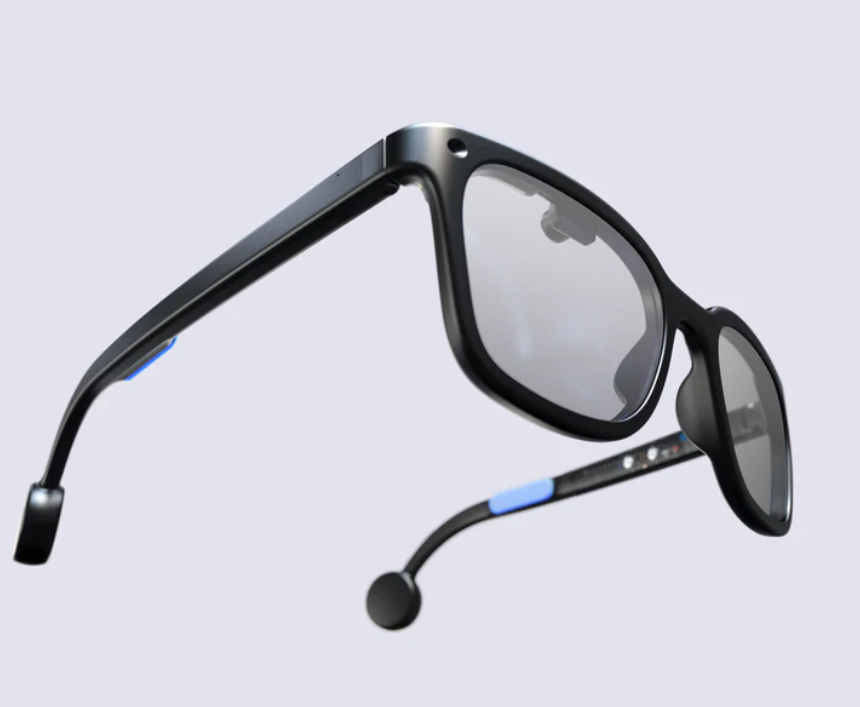
The first mass-market AI glasses with an actual in-lens display, paired with an EMG wristband that reads finger twitches as input, making it the closest thing to a wearable agent UI in 2026.

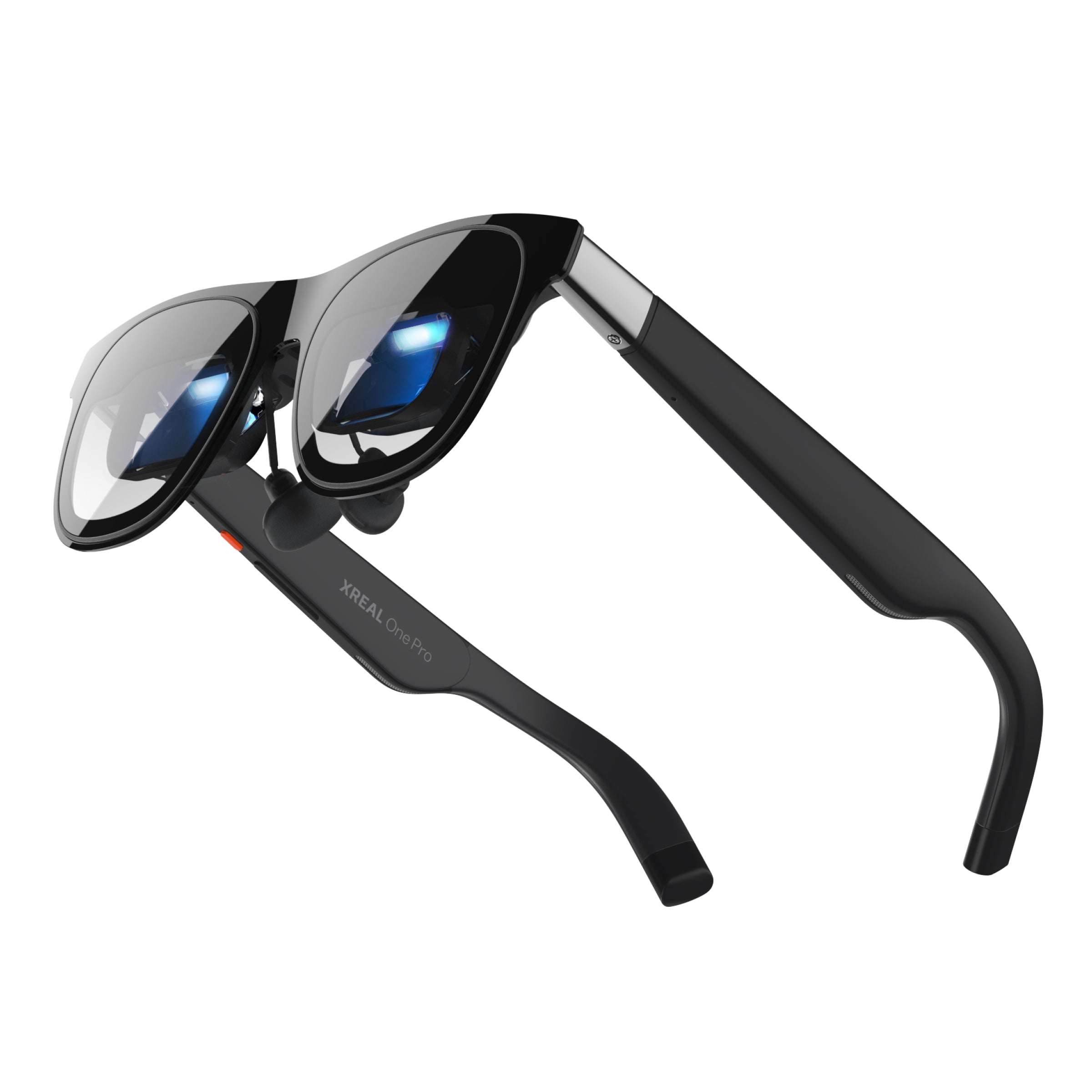
A 171-inch virtual 1080p display strapped to your face at 3.1 ounces, ideal for running a Claude Code session on a Steam Deck or laptop while traveling.

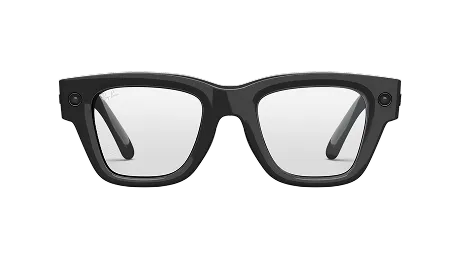
The lightest in-lens display glasses that pass for normal eyewear, designed around teleprompt, translate, navigate, and AI assistant flows rather than gaming or media.
Open source AI glasses with full design files on GitHub, a microOLED, a camera, and Noa, a hackable LLM assistant that turns the frame into a dev kit rather than a finished product.

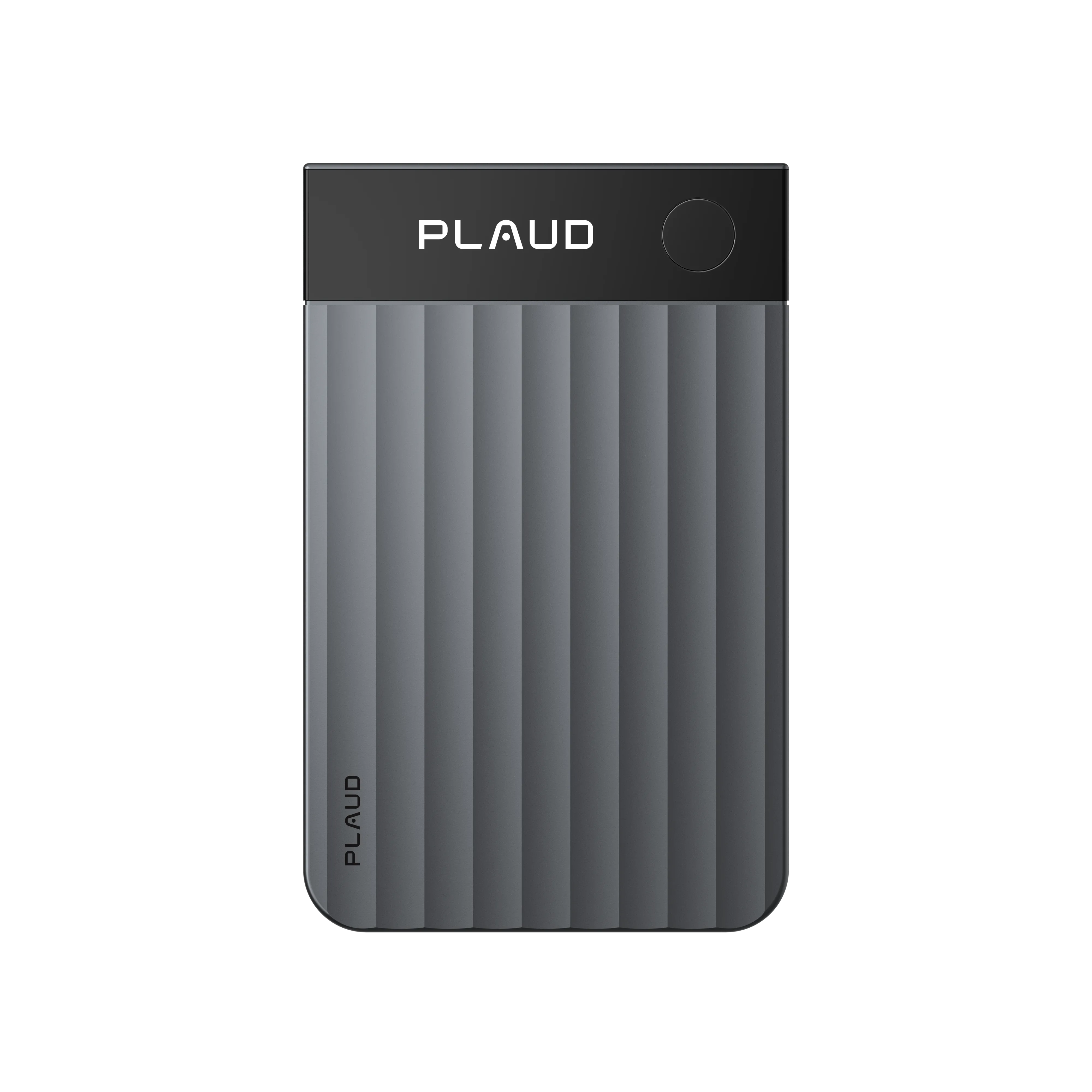
A 0.12-inch thin AI voice recorder that lives on the back of your phone and turns every meeting into a searchable, summarized transcript.

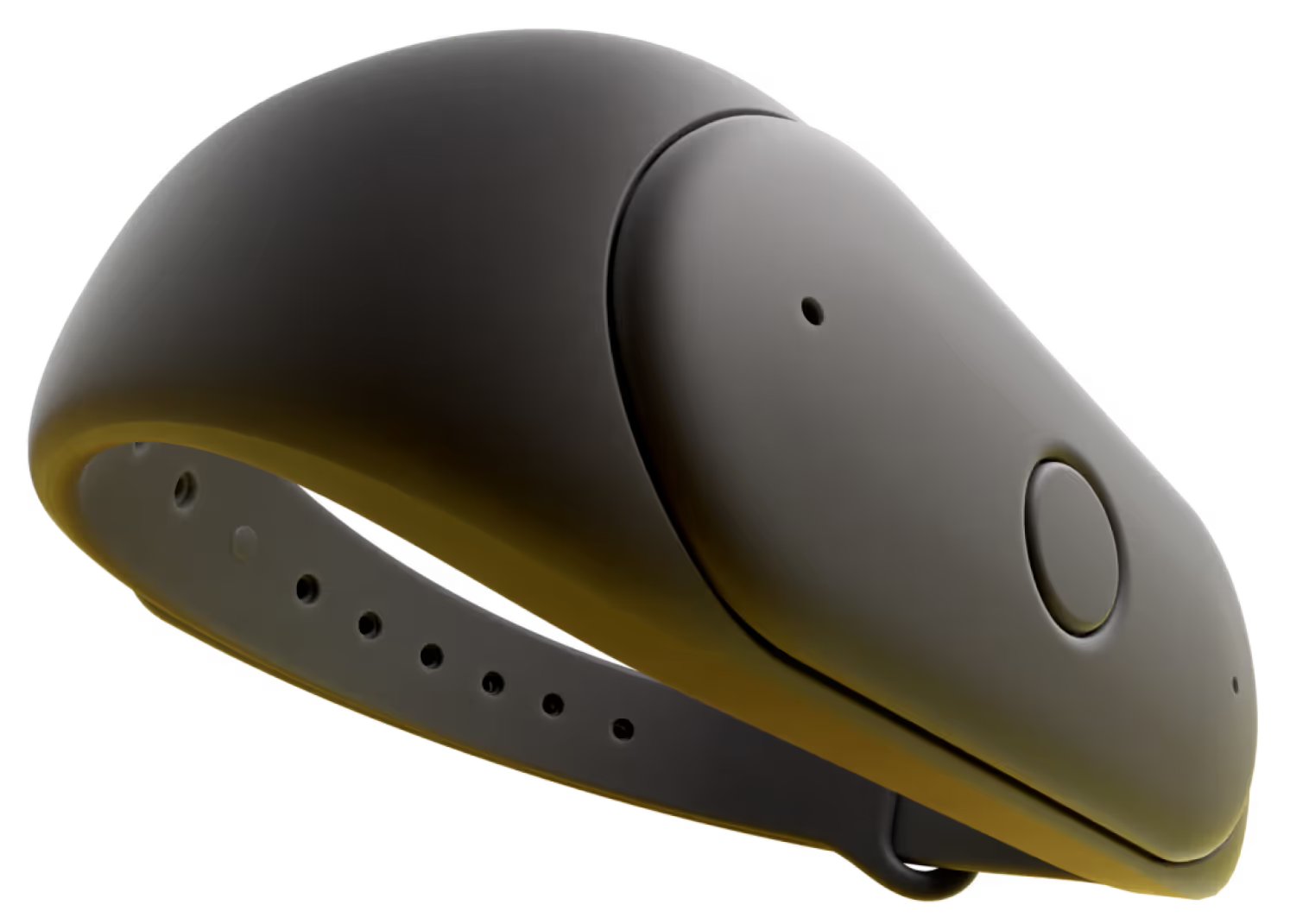
A $49 always-on AI wristband that listens to your day, then writes the to-do list, recap, and reminders for you.

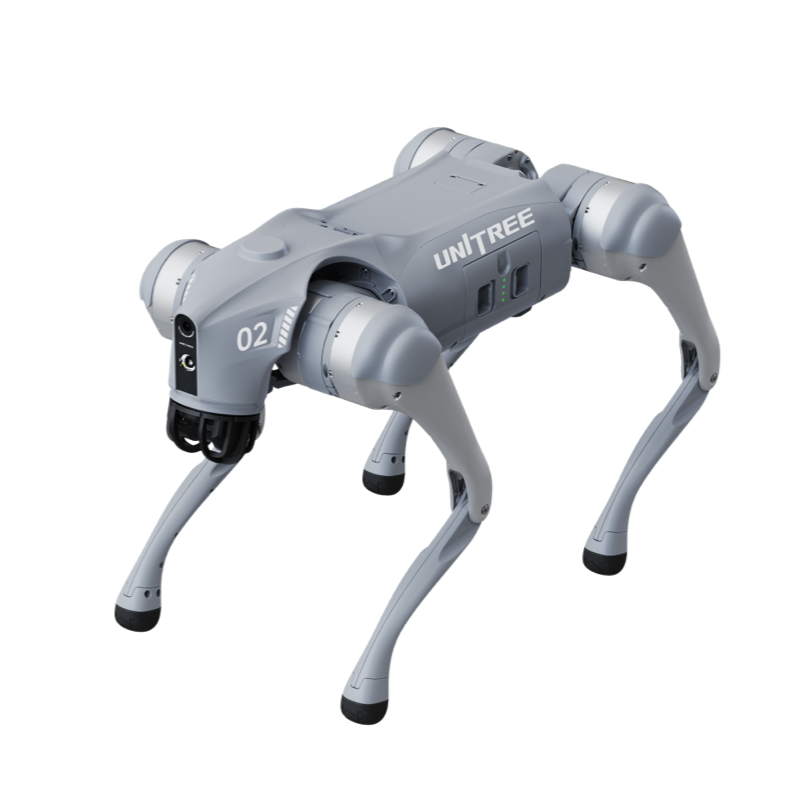
The most accessible quadruped robot money can buy, with onboard LiDAR and a real SDK path for serious robotics work.

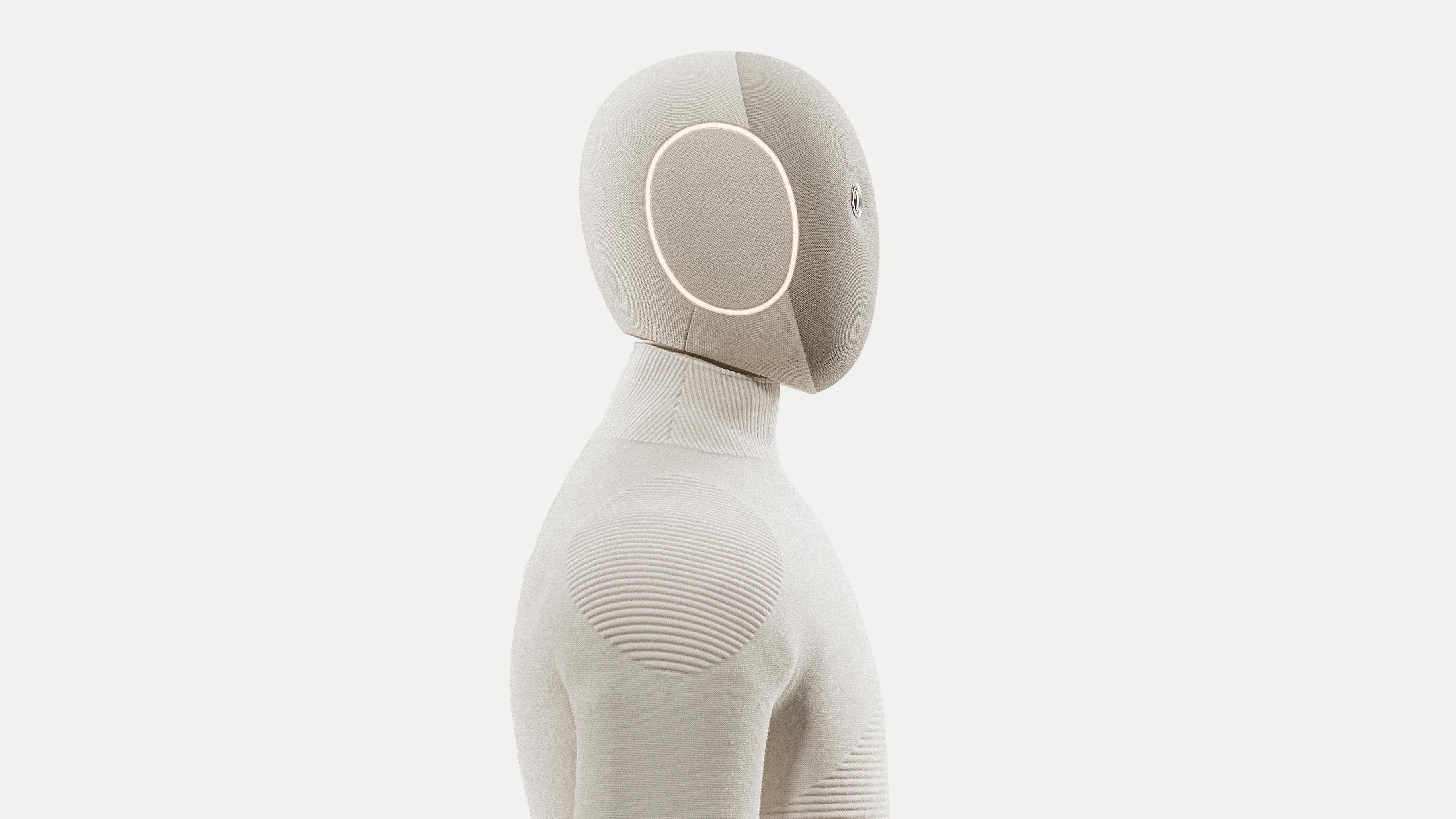
A 127 cm humanoid robot with 23 degrees of freedom, available off the shelf for $16K.

A 66-pound household humanoid robot built for the home, now taking preorders with first deliveries to US homes in 2026.

NVIDIA cut the Orin Nano dev kit to $249 and bumped its AI throughput in the same move, making it the runaway leader in hobbyist edge AI.

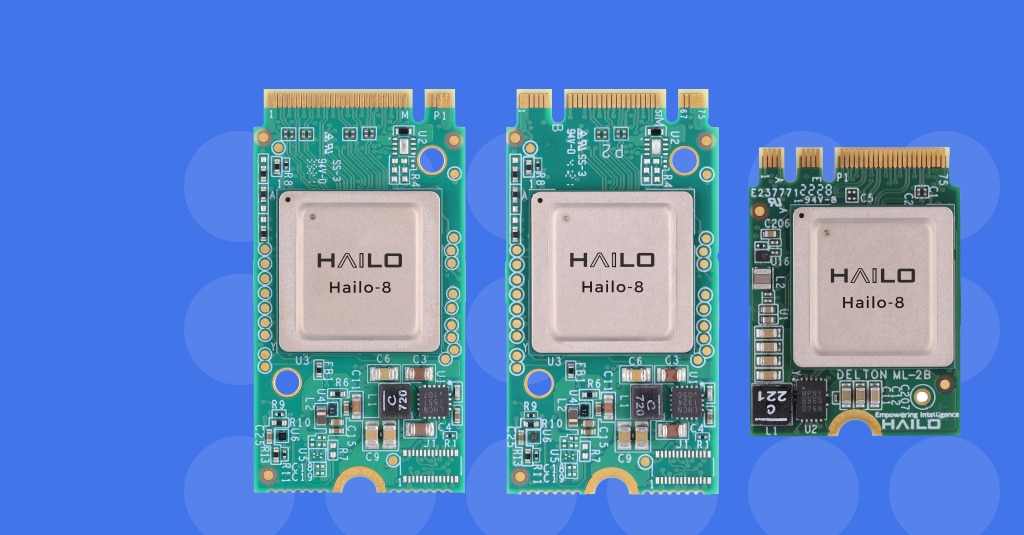
A 26 TOPS M.2 card that drops into a Raspberry Pi 5 or mini PC and quietly outclasses every Edge TPU on the market.

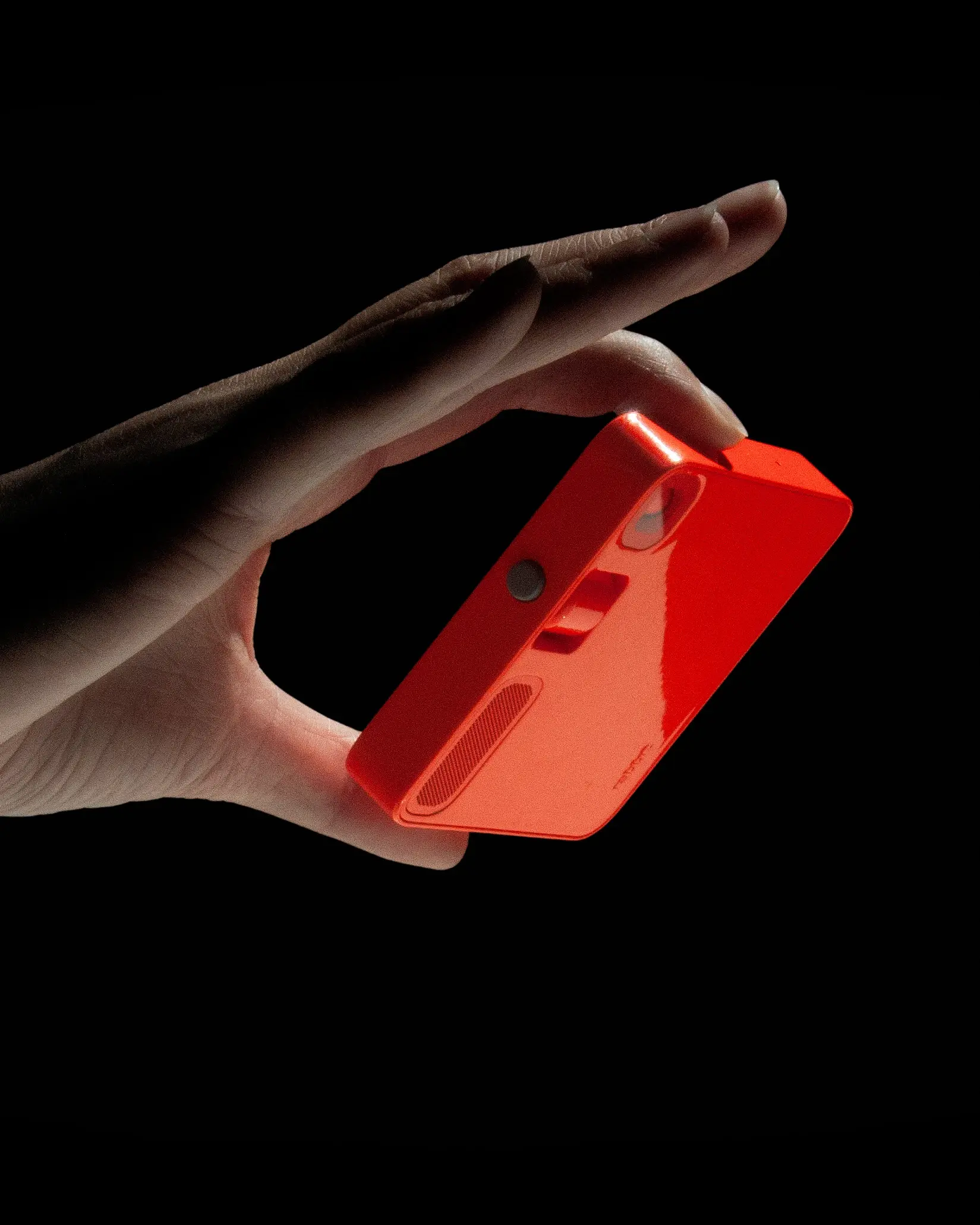
The original orange AI handheld, still shipping in 2026 with a roadmap that now includes a CLI-flavored cyberdeck successor.

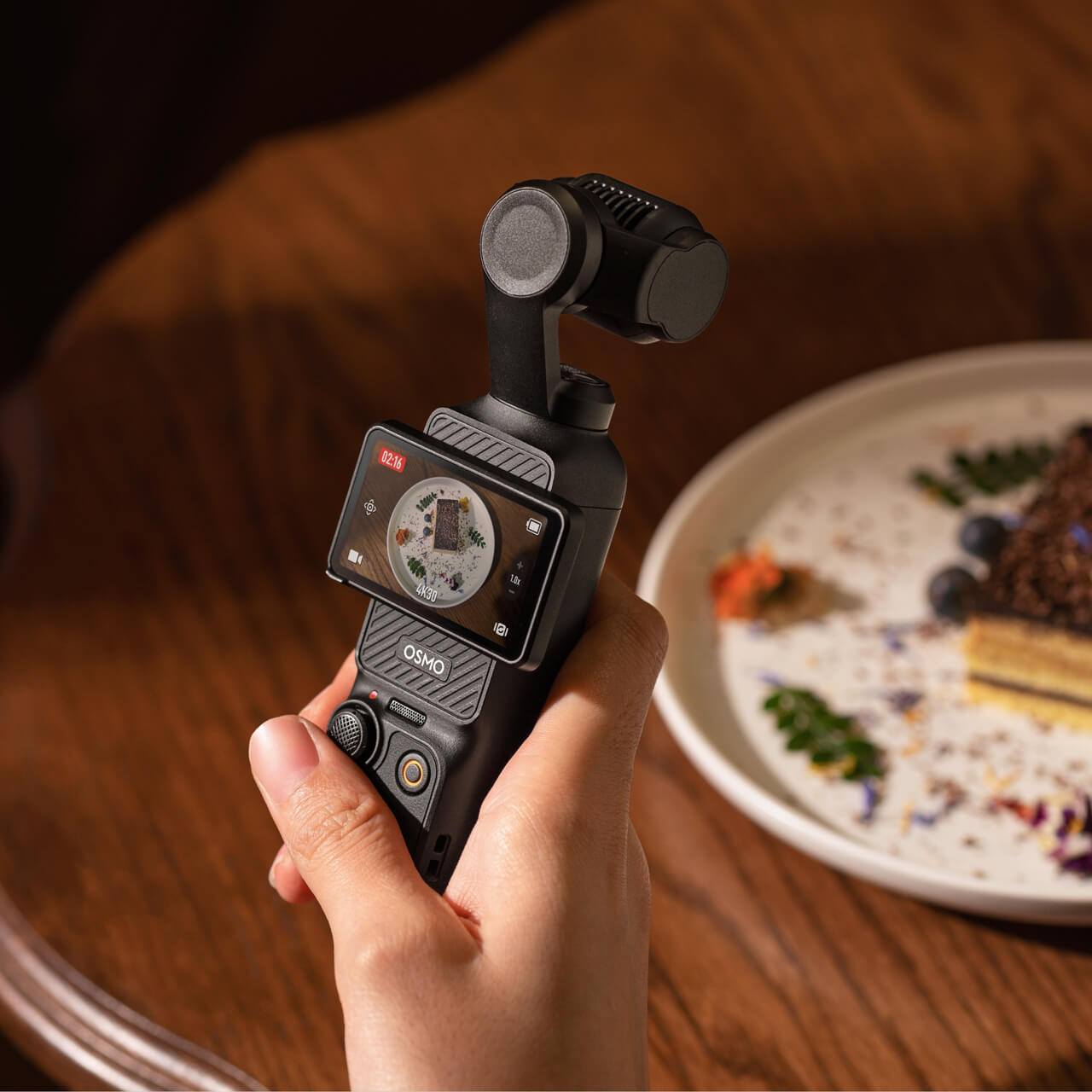
A 1-inch sensor gimbal camera whose ActiveTrack 6.0 subject tracking is one of the best on-device computer vision implementations shipping today.
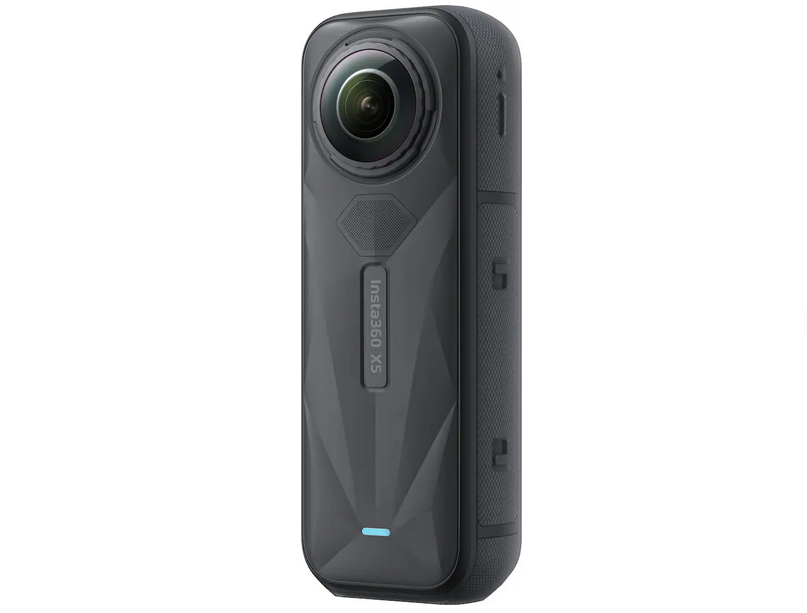
A 360-degree 8K action cam whose AI app auto-edits highlight reels and runs low-light denoising as a post-capture pipeline.

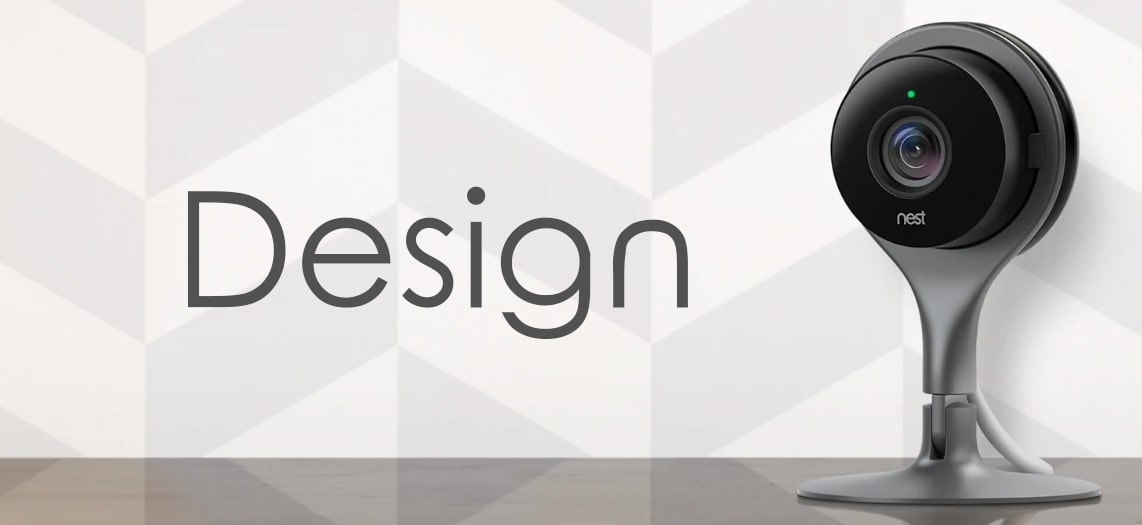
Third-generation 2K HDR Nest Cams that hand video to Gemini so you can ask what happened to the vase in the living room and get a real answer.
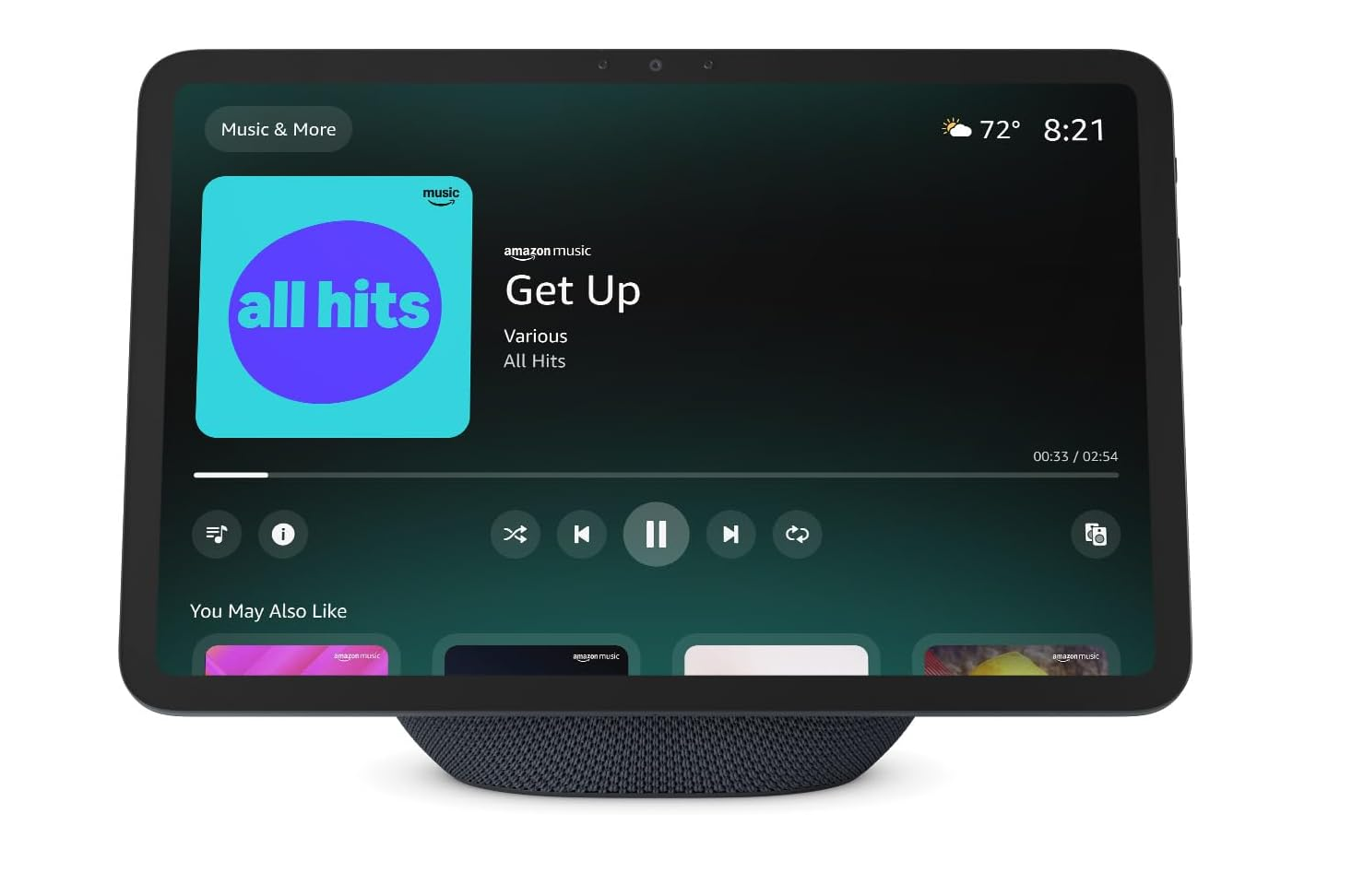
The first Echo built around Alexa+, with a custom AZ3 Pro chip running on-device language models and vision transformers.

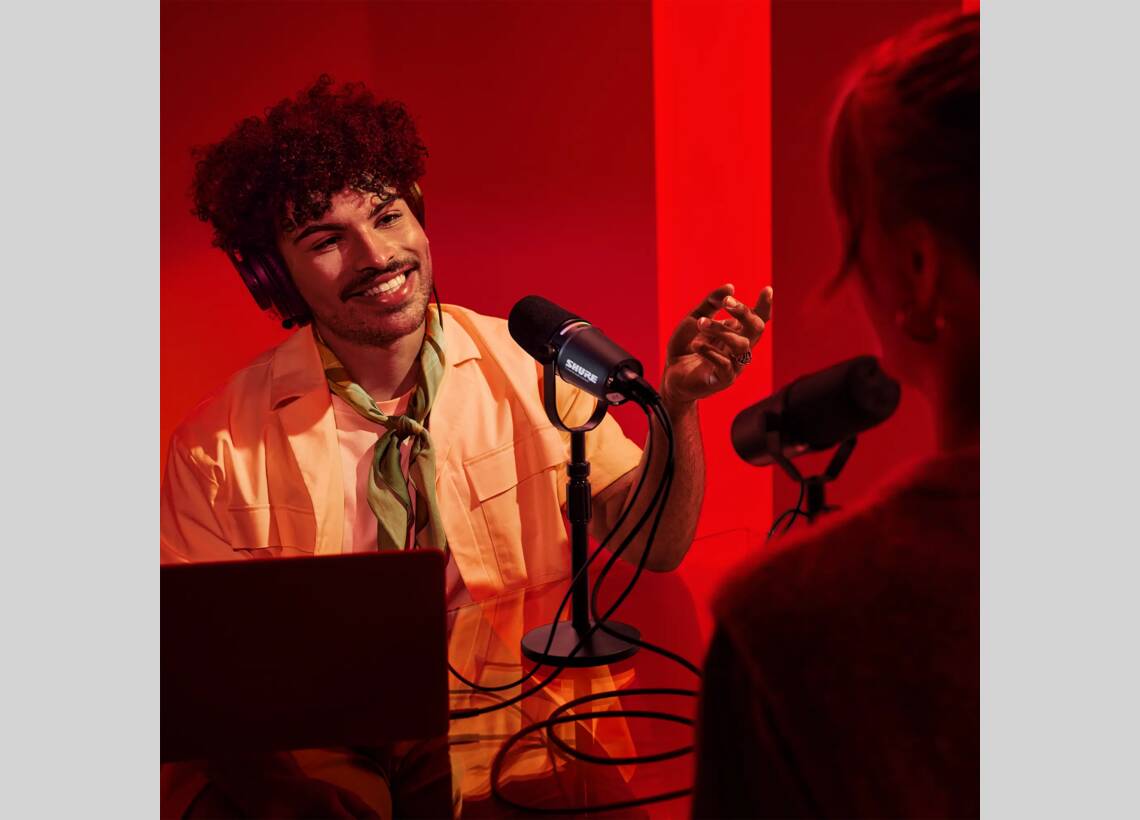
A USB and XLR podcast mic with a built-in audio interface and on-board AI DSP that handles gain, denoise, and gating automatically.

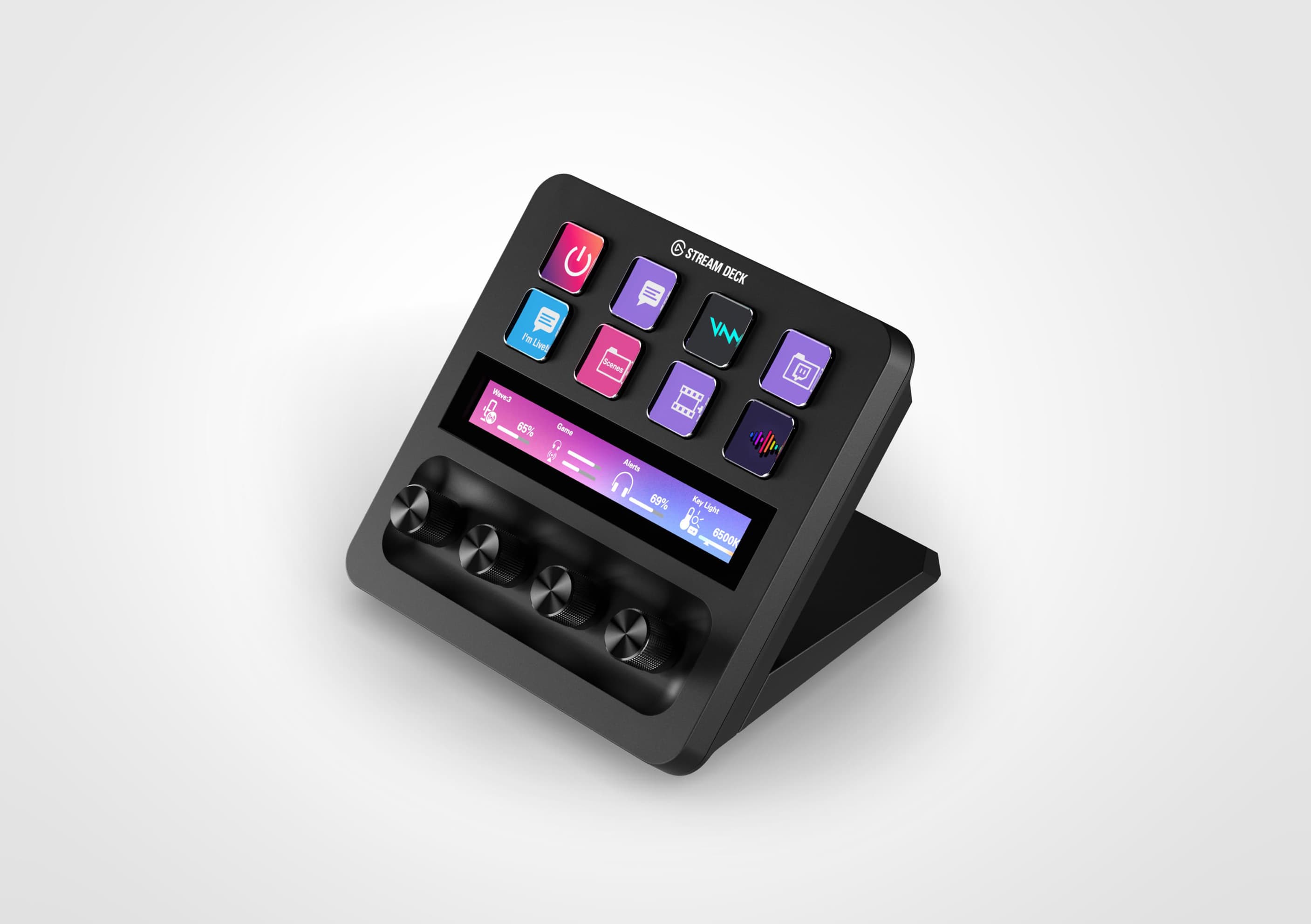
With Stream Deck 7.4, the LCD-key controller now speaks MCP, which means Claude or ChatGPT can fire any key as a tool call.

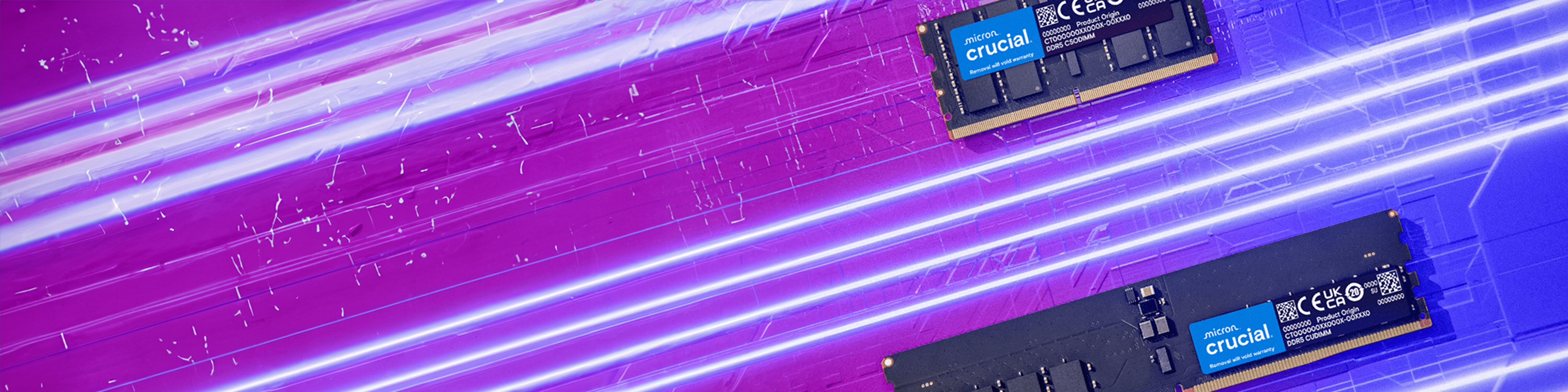
A 2x32GB DDR5-6400 kit sized exactly for running 70B-class local models with headroom for the rest of your machine.
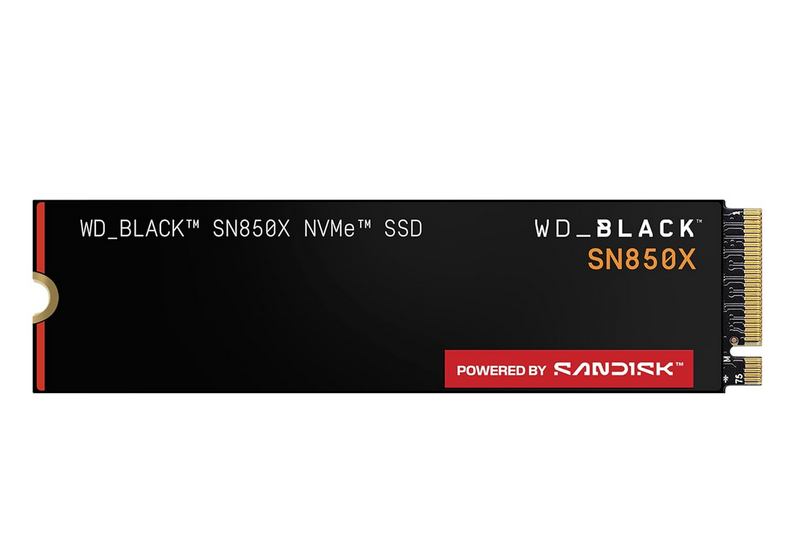
A 4 TB PCIe Gen4 NVMe SSD with the speed budget to host a full quantized 70B model plus your working datasets.

The most-read book on the O'Reilly platform in 2025, framing the entire LLM application stack from foundation model choice through deployment.
The book that taught a generation of ML engineers how to ship real systems before LLMs reset the conversation.

The DeepMind cofounder's case for why containment, not capability, is the defining problem of the AI era.
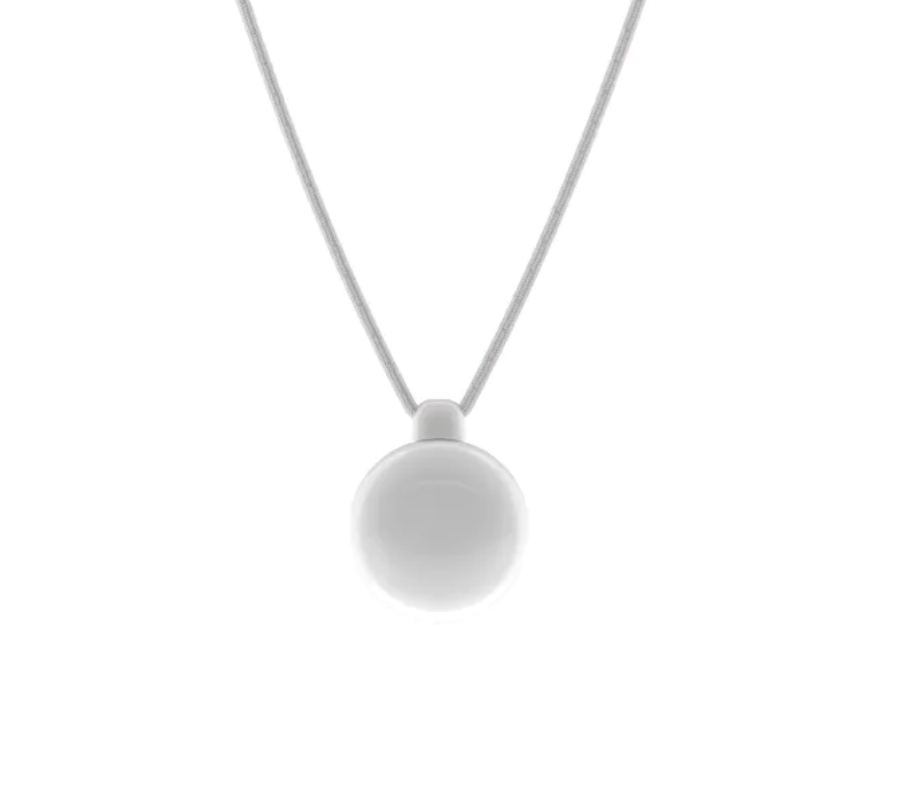
A $129 AI companion necklace that listens around the clock and texts you commentary like a slightly judgmental roommate.

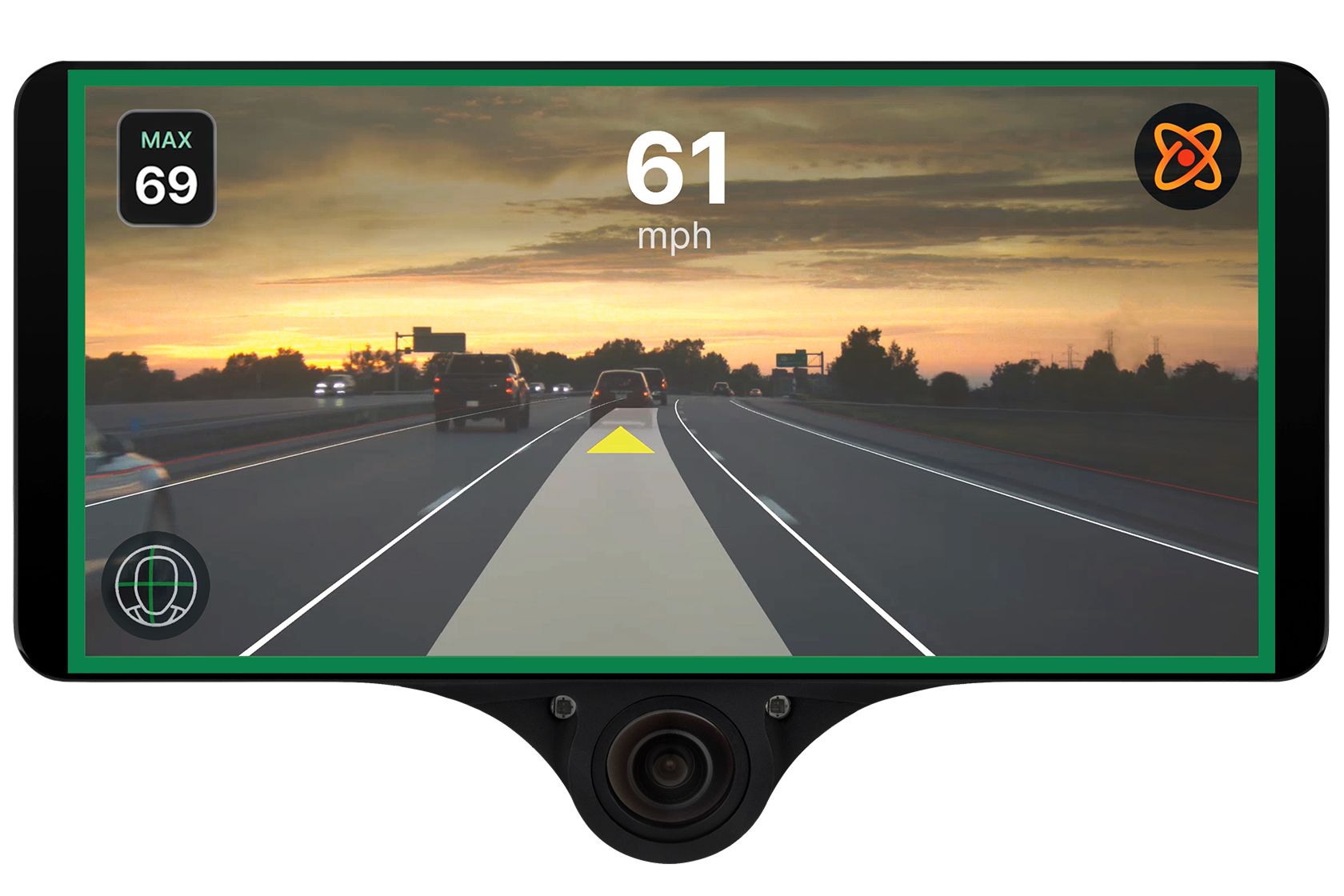
A $1,249 windshield-mount box that runs openpilot and adds Tesla-grade lane-keeping plus longitudinal assist to 325+ stock vehicles.
Build a custom comparison across VRAM, memory bandwidth, on-device LLM ceiling, and street price.